Smog tests are a critical aspect of vehicle ownership, especially in areas with stringent air quality standards. A clean smog test is not only essential for the environment but also for passing necessary vehicle inspections. However, for many car enthusiasts, the burning question is: will my car pass smog with aftermarket intake? This question is becoming increasingly relevant as more people explore modifying their vehicles. Yaeger Auto Salvage, the local salvage yard in Weston, helps many enthusiasts navigate the intricacies of vehicle compliance. This guide aims to unpack what you need to know about smog tests and aftermarket modifications.
In exploring whether your car can pass a smog test with aftermarket parts, it's vital to consider several factors, including compliance with local regulations and the quality of modifications. We'll examine what smog tests entail, the components that commonly fail, and effective strategies to ensure your car remains compliant without compromising on performance. Keep reading to discover valuable tips and insights to help you stay on the right side of the law and make informed decisions about your vehicle.
Understanding Smog Tests
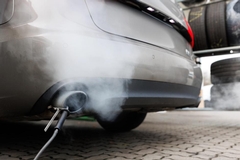
Smog tests are designed to measure the emissions produced by a vehicle to ensure they fall within acceptable limits. As environmental concerns mount and emissions regulations tighten, passing a smog test has become integral to vehicle registration in many states, including Wisconsin. A smog test typically involves checking the exhaust emissions for pollutants like carbon monoxide, hydrocarbons, and nitrogen oxides.
It's crucial to know what elements a smog test covers to prepare adequately. These tests may vary in complexity depending on the vehicle type and local regulations. Generally, they include both a visual inspection of emission control devices and a functional testing phase to measure emissions output. Cars equipped with aftermarket parts can sometimes face extra scrutiny due to deviations from stock configurations, influencing the results of a smog test.
Will My Car Pass Smog with Aftermarket Intake?
The addition of an aftermarket intake is a popular modification because it potentially boosts performance by increasing air intake and enhancing combustion efficiency. However, vehicle owners might wonder: Will my car pass smog with an aftermarket intake? It largely depends on whether the aftermarket intake has received the proper certification. According to the CARB (California Air Resources Board), to be smog-compliant, aftermarket emissions-related parts must carry an Executive Order (EO) number. If your aftermarket intake does not have this certification, it may negatively affect the outcome of your smog test.
The design and installation of the aftermarket intake also play a significant role. Poor installations can lead to increased emissions due to incorrect air-fuel mixtures or vacuum leaks. To mitigate the risk of failing a smog test, ensure that your modifications are reputable, certified, and correctly installed.
Common Reasons for Smog Test Failures
To better prepare your vehicle for a smog test, it’s helpful to understand the common reasons cars fail these tests:
- Faulty Oxygen Sensors: An oxygen sensor that does not relay accurate information can cause an inefficient air-fuel mixture, elevating emission levels.
- Worn-Out Spark Plugs: Spark plugs that are old or malfunctioning can cause incomplete combustion, resulting in increased hydrocarbon emissions.
- Defective Catalytic Converters: If a catalytic converter is not in peak condition, it will fail to effectively convert harmful gases into less harmful emissions.
- Non-Compliant Aftermarket Parts: As previously mentioned, certain aftermarket modifications, like intakes, if uncertified, can disrupt emissions compliance.
Understanding these potential pitfalls enables you to address any issues before heading to a smog test center.
Preparing Your Car for a Smog Test
Preparation is key to ensuring your car passes its smog test. Here are some strategies to consider:
- Regular Maintenance: Ensure your vehicle undergoes regular tune-ups. Checking components like spark plugs, filters, and sensors can preemptively catch issues that may lead to failing a smog test.
- Run the Vehicle: Drive your car for at least 20 minutes before the test to ensure it’s fully warmed up, which helps in better emissions management.
- OEM Compliant Parts: Verify the legality of aftermarket parts, ensuring they come with the appropriate EO numbers for compliance.
- Check for Engine Codes: Any active trouble codes can lead to an automatic failure. A pre-test at your local automotive shop can help identify and address these codes.
By following these preparation steps, you can improve the likelihood of passing the test even with modifications.
Selling Cars with Emissions Issues
If you find that your car has persistent issues with passing smog tests, you might consider another path, selling your vehicle. You may wonder, is it possible to sell cars in Weston, considering its emissions history? Absolutely. Companies like Yaeger Auto Salvage can be particularly helpful, as they deal with vehicles that may not meet current emissions standards.
For those looking to optimize their options, preparing the vehicle by addressing any non-compliant components can enhance its resale value. Ensuring that the car is as environmentally friendly as possible makes it more appealing to potential buyers.
Addressing Aftermarket Concerns
For car enthusiasts, modifying a vehicle is often a labor of love. Yet, it shouldn't come at the cost of emissions compliance. An aftermarket intake may not inherently doom your car's chances of passing a smog test. Researching the legality of parts and investing in quality modifications are steps in the right direction. Before installation, check local smog requirements, consult with experts, and ensure the modifications are professionally installed.
It's crucial to remain informed and diligent. Regular check-ups and maintenance can often prevent emissions issues before they arise. Trustworthy suppliers and installers play a pivotal role in balancing performance with regulatory compliance.
Taking the Next Steps
Navigating the complexities of smog tests and aftermarket modifications might seem daunting, but it is feasible with the right guidance and preparation. As you evaluate your car's readiness for its upcoming smog test, consider visiting trusted local services for advice or an assessment. These steps ensure that your car performs efficiently and effectively while maintaining compliance.
For residents wondering about their options to sell cars in other locations, it's essential to reach out to trusted dealers or salvage yards. Selling your vehicle under the guidance of a reputable establishment ensures that you meet all legal requirements without hassle. Whether you're modifying or selling, let our expertise at Yaeger Auto Salvage help you make informed decisions every step of the way. Explore how our services can assist you, and ensure your vehicle meets all necessary standards.