
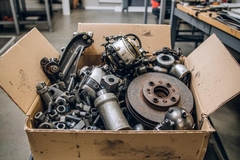
The automobile industry, while driving our modern era forward, also contributes significantly to environmental concerns. Recycling is an admirable remedy to this problem, allowing car parts to be repurposed and reducing waste. But recycling car parts isn't just about tossing components into a recycling bin. It involves understanding how to recycle car parts safely and responsibly. Responsibly recycling auto parts in Weston and its surrounding cities will not only ease the strain on landfills but can also lead to savings and a sustainable way of automobile maintenance.
Navigating the terrain of car recycling might seem daunting, especially with the variety of materials and potential hazards involved. Yet, the task becomes manageable with access to quality auto parts in Weston, WI, and an understanding of the correct recycling channels. This blog will guide you through the essentials of how to recycle car parts, touching upon critical aspects, key processes, and some actionable strategies for effective and responsible car parts recycling.
Understanding the Environmental Impact
Recycling car parts is not only a responsible practice but a necessity in today's environmentally conscious world. The environmental impact of cars extends beyond the fuel they burn. Old vehicles consist of a broad range of materials, many of which do not decompose naturally and may even release hazardous substances if not disposed of properly. Metals, plastics, rubber, and fluids like oil or antifreeze can contribute to environmental degradation if left unchecked. Understanding these implications highlights the importance of knowing how to recycle car parts.
Why Recycling Matters:
- Resource Conservation: Recycling helps conserve raw materials, reducing the need for new resource extraction, which in turn saves energy and decreases pollution.
- Waste Reduction: By recycling car parts, we can significantly reduce the amount of waste that piles up in landfills, thereby minimizing land usage and environmental contamination.
- Energy Efficiency: The energy required to recycle car parts is generally much less than producing new ones from raw materials, contributing to less global warming and reduced greenhouse gas emissions.
Key Steps in Recycling Car Parts
Effectively reducing your car's footprint involves understanding and following a systematic process. Below are the core steps to recycle car parts safely and responsibly:
- Preparation and Sorting: Before recycling, car parts must be carefully dismantled. This step involves removing recyclable materials and hazardous substances. Proper categorization ensures that each part gets processed correctly.
- Working with Professionals: Engaging services like Yaeger Auto Salvage can simplify the task, offering expert knowledge to manage auto parts recycling efficiently.
- Recycling or Upcycling: Parts like batteries, tires, and fluids have designated recycling protocols. Components such as upholstery or metals can often be upcycled or repurposed.
Challenges in Car Parts Recycling
The recycling of car parts presents unique challenges. Certain components contain hazardous materials that demand proper handling to avoid potential environmental or health risks. For instance, mercury switches, lead-acid batteries, and electronic waste must be processed carefully to prevent contamination. This aspect underscores the need for expert involvement, emphasizing professional services to safely manage these parts.
Additionally, logistics can sometimes be a hurdle. Having a reliable local service that facilitates the transportation and processing of these parts can make a significant difference. In cities like Weston, ensuring that your auto parts are responsibly recycled is made more accessible with specialized services available nearby.
Choosing the Right Recycling Partner
Given the complexity involved in how to recycle car parts, selecting the right partner can make a significant difference. Professional auto salvage and recycling companies possess the expertise to manage the complete lifecycle of car parts. Companies like Yaeger Auto Salvage offer a wide array of services in Weston and can assist in responsibly dismantling and recycling car components, ensuring environmentally friendly practices are maintained.
A good recycling partner will:
- Comply with Environmental Regulations: They ensure that all recycling protocols meet the latest environmental laws and standards.
- Provide Comprehensive Services: From towing to dismantling and detailed recycling processes, a complete solution can relieve much of the burden from vehicle owners.
- Offer Convenient Solutions: Services such as pick-up and buy auto glass in Weston, WI, make the process efficient and user-friendly.
Buying and Selling Recycled Car Parts
Once a car part is recycled or salvaged, it often enters a secondary market, thriving on the sale of these used components. This is not only cost-effective for buyers but sustainable for the environment. Whether it’s a simple replacement part or needing to buy auto glass in other locations, opting for recycled parts supports the circular economy. Moreover, selling usable parts can provide car owners with a chance to recoup some of the investment in their vehicle.
To streamline this process:
- Inspect Parts Thoroughly: Ensure that any recycled parts, whether buying or selling, have been properly vetted for quality and compatibility.
- Leverage Local Options: In communities like Weston, having a local and reputable salvage service simplifies buying and selling recycled car parts.
Increasing Awareness and Involvement
Community involvement in recycling efforts can significantly amplify positive impacts on the environment. Educational initiatives and collaborations with local salvage businesses can promote responsible recycling practices. Awareness programs help demystify the recycling process and demonstrate how to recycle car parts effectively, encouraging more individuals and businesses to participate.
Activating sustainable initiatives can further inspire people to consider the origins and end-of-life of their vehicles. It highlights the importance of making informed choices, whether it’s selecting eco-friendly models or relying on local services like those offered by Yaeger Auto Salvage to manage end-of-life vehicle recycling.
The Role of Innovation in Car Parts Recycling
Technological advancements continue to shape how we recycle car parts. From enhanced separation technologies to automation in dismantling and sorting processes, innovation plays a crucial role in improving the efficiency and safety of recycling methods. Keeping abreast of these changes can empower individuals and businesses to utilize the best available practices for car parts recycling.
New methods of processing materials recover more resources and accelerate the recycling rate of various components, from the heavy metal parts to small electronic components. Adopting these technologies within services offered in regions like Weston ensures maximized resource recovery and minimized environmental impact.
Empowering Action for a Greener Future
Knowing how to recycle car parts responsibly is a step towards sustainable living for individuals and communities alike. These choices, while perhaps small on an individual level, accumulate to drive significant global impact. By aligning with environmentally conscious practices, you support a future where innovation and sustainability become the benchmarks of the automotive industry.
Whether you need assistance to dismantle and recycle your vehicle or are looking to buy auto glass in Weston for your vehicle repairs, reliable partners like Yaeger Auto Salvage provide trusted solutions. Engaging with experts ensures that your recycling efforts not only contribute to environmental wellness but also deliver personal and communal benefits.
Let Yaeger Auto Salvage be your companion in transforming the car recycling process into a routine practice that aligns economic practicality with ecological conscientiousness. Contact us and explore the various salvage and recycling options we offer in Weston and embark on a journey towards a more sustainable automotive future.