
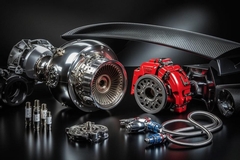
When a car enthusiast or a seasoned mechanic mentions aftermarket car parts, it often sparks curiosity about what that term truly encompasses. For those unfamiliar, the question "What does aftermarket car parts mean?" may surface immediately. Simply put, aftermarket car parts are components that are not manufactured by the original equipment manufacturers (OEMs) but serve as replacements or enhancements for factory-installed parts after a vehicle is sold. Understanding these components is crucial, especially for those looking at auto parts in Weston and its surrounding cities, where options can be diverse and abundant.
In the world of auto repair and customization, aftermarket parts play a significant role, offering a range of possibilities from cost savings to performance improvements. They come in an array of forms and can cater to different needs—whether it’s finding a budget-friendly alternative or seeking that high-performance edge. This blog will dive deep into what aftermarket car parts mean, their benefits, drawbacks, and how they measure up against OEM parts. We'll also explore the impact of these choices, offering insights into making informed decisions that align with your vehicle goals.
Exploring Aftermarket Car Parts
Aftermarket car parts refer to products made by manufacturers other than those already producing parts for a car's brand. These components are made to function and fit just like the original parts, but can vary in quality, price, and performance. The aftermarket industry is vast, ranging from essential engine components to aesthetic enhancements and advanced performance gear.
Benefits of Aftermarket Car Parts
One of the primary benefits is cost-effectiveness. Aftermarket parts can often be purchased at a fraction of the cost of OEM parts, making them an attractive option for budget-conscious car owners. Additionally, they offer a broader spectrum of choices, consumers can select from various brands offering specific features that OEM parts may lack. This versatility is particularly beneficial when original designs have been phased out or when seeking enhanced performance attributes.
The variety in aftermarket products also enables consumers to personalize their vehicles in ways that OEM parts might not allow. For example, car audio systems, lighting setups, or custom body parts can be tailored to individual tastes and needs, providing a unique personalization that sets one's vehicle apart.
Drawbacks of Aftermarket Parts
However, the aftermarket world isn't without its challenges. One of the most significant issues is inconsistency in quality. Without strict manufacturing oversight like OEMs, some aftermarket parts may not meet the durability or proper fitment standards that are ideal. Therefore, it becomes imperative to research brands and check reviews to ensure quality standards are met.
Compatibility is another potential setback. While these parts are designed to function similarly to OEM parts, there might be variations, and they might not work seamlessly with all vehicle models. Owners should ensure that an aftermarket part’s specifications align closely with their vehicle's requirements to prevent issues down the line.
Comparing Aftermarket to OEM Parts
Quality and Performance
OEM parts are generally synonymous with assurance = they are produced under stringent regulations and quality checks directly from the car's original manufacturer. This reliability often extends to compatibility, ensuring a perfect fit and function. In contrast, the quality of aftermarket parts can vary significantly. It's not uncommon to find aftermarket options that exceed even OEM quality; however, due diligence in selecting trusted brands and suppliers is paramount.
Warranty Considerations
Warranty implications can also sway decisions. OEM parts usually come with substantial warranties that cover many potential issues post-installation. On the contrary, aftermarket parts might not offer as robust a warranty, which can be a risk factor for some consumers. It's important to weigh these risks, especially if a vehicle is still under a warranty that could be voided by non-OEM alterations.
Cost-Benefit Analysis
From a cost perspective, aftermarket parts typically present a savings opportunity. For car owners looking to maintain or refurbish older models, this can be particularly advantageous. However, the lower upfront cost must be balanced with considerations of longevity and performance to determine if it offers true value over time.
Making the Right Choice
When deciding between aftermarket and OEM parts, it's about aligning priorities with vehicle needs. For some, the assurance that OEM parts provide is worth the extra cost, especially in critical engine components or safety features. For others, especially those involved in car enhancements or tuning, aftermarket parts provide a playground of possibilities that OEMs can't match.
Expert Tips for Navigating the Aftermarket World
Navigating the aftermarket landscape requires careful consideration and research. Here are some insights to help steer the process:
- Research Suppliers: Understand the reputation and reliability of brands. Opt for those recognized for quality and customer satisfaction.
- Review Warranty and Return Policies: Ensure that warranties are understood and that there's a fair return policy for parts that may not meet expectations.
- Consult Professional Mechanics: Professionals familiar with aftermarket installations can guide and advise on compatibility and fitment, providing peace of mind.
Taking these steps can be critical, especially in regions where Yaeger Auto Salvage might be considered, even for scrap metal needs in Weston and beyond, or similar activities if a part fails. In addition, understanding local resources can aid in efficient issue resolution.
Trust in Local Expertise
As we conclude our exploration of the world of aftermarket car parts, it's crucial to remember the value of engaging with knowledgeable local professionals. Say you're deciding to upgrade an essential component or simply maintain an automobile’s performance level; exposure to experts in scrap metal and other related services can greatly enhance your vehicle maintenance experience.
For those residing in or near Weston, WI, Yaeger Auto Salvage offers an excellent resource, providing both the knowledge and components necessary to keep your vehicle in top shape. They are renowned for their extensive inventory and professional insight, ensuring you have the support needed when delving into aftermarket upgrades.
Choosing aftermarket parts over OEM parts can be a beneficial move for many, providing diversity, affordability, and customization opportunities in vehicle ownership. With the right support, information, and resources, such as those from Yaeger Auto Salvage, vehicle enthusiasts can unlock a world of potential that caters perfectly to their automotive vision. Reach out to us today!