
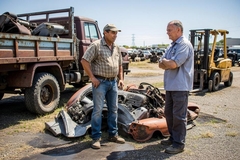
For many car owners, dealing with old or unused car parts is an inevitable part of vehicle maintenance. The need to replace worn-out components often leaves you with junk to sort out. A common question arises: Will junk haulers take car parts? Services like a salvage yard in the Weston area offer an array of options for properly disposing of or repurposing these parts. This blog aims to unravel the nuances of discarding car parts and explores how junk haulers fit into the equation.
Whether you're a car enthusiast or someone who simply wants to declutter your garage, understanding the appropriate ways to dispose of car parts can save time, money, and environmental impact. This article explores the types of car parts that junk haulers might accept, the potential costs involved, and alternative solutions for disposal and recycling, providing a comprehensive guide to managing automotive debris.
What Junk Haulers Typically Accept
You may have wondered if junk haulers are the right solution for your car parts disposal. Many junk haulers offer services for large items like furniture or appliances, but their policies on car parts can vary widely. In general, smaller, lighter parts like tires, batteries, or standard scrap metal are more likely to be accepted by junk haulers. However, larger components such as engines or transmissions may be an issue due to weight and hazardous material regulations.
The acceptance of car parts is often determined by two main factors: the hauler's capacity and regulatory compliance. Haulers need to adhere to certain environmental standards, making them cautious about accepting parts that may pose disposal challenges. Therefore, it's crucial to inquire directly with local junk hauling services about their policies. Often, salvage yards can provide specific guidance or referrals to suitable junk haulers in your area.
Alternative Disposal Methods for Car Parts
When junk haulers are not an option, there are alternative ways to dispose of car parts responsibly. Salvaging is an excellent avenue, especially if you have parts in good condition. You can contact salvage yards in Weston, where viable components can be resold or repurposed. Salvage yards are often interested in buying parts that still hold value, and they employ professionals who know what can be recycled or sold.
For those seeking to sell cars in Weston and its nearby areas, salvage yards also offer a marketplace for parts that are still in good working order. This contributes to a circular economy, reducing waste and giving car owners an opportunity to recover some of the value from parts they no longer need.
Environmental Considerations and Recycling Opportunities
Proper recycling is another vital aspect of car parts disposal. Some parts, such as batteries and tires, are notoriously non-biodegradable and require specific recycling processes. Batteries, in particular, contain hazardous chemicals that can leach into the ground if not handled correctly. Many cities offer designated recycling centers where you can drop off such items securely.
Additionally, several auto parts recycling programs exist that focus on reducing the environmental footprint of the automotive industry. These programs often accept metals, plastics, and other materials that can be broken down and recycled into new products. Always check for local recycling guidelines to ensure compliance and maximize environmental benefits.
Pros and Cons of Selling Used Car Parts
Selling car parts may be a viable option if you are looking to make some cash while decluttering. Online platforms provide a convenient marketplace for selling used car parts to individuals who might need them for their vehicles. However, selling parts requires knowledge of the market value and potential shipping costs, which can vary based on the size and weight of the part.
The significant advantage of selling is the potential for profit and the satisfaction of knowing the parts are getting a second life. However, the downside includes the time and effort required to list items online, answer inquiries, and possibly deal with returns if the items don't meet buyers' needs.
Navigating Legal and Safe Disposal
Legal requirements for disposing of car parts can vary based on the type of part and local legislation. Hazardous materials, such as oil or antifreeze, must be disposed of following strict guidelines. Many auto shops and service stations accept these materials for disposal, ensuring they don't contaminate the environment.
For safe and legal disposal, it's essential to keep records of transactions, particularly if you're handling hazardous materials. This not only ensures compliance but also protects you in case of future disputes regarding environmental regulations.
Your Trusted Resource for Auto Recovery
At Yaeger Auto Salvage, we aim to support your needs in responsibly managing unwanted car parts. With services that facilitate buying and disposing of used parts, we serve as a comprehensive solution not only in Weston but also in surrounding areas. Whether you're looking to buy cars in Weston or offload old parts, our salvage yard has a wide range of offerings tailored to your needs.
As you navigate the choices for managing car parts, remember that responsible disposal is part of maintaining a sustainable community. For expert guidance and reliable services, contact us at Yaeger Auto Salvage. Discover how easy it is to turn your car parts problem into a practical, environmentally friendly solution. Let us help you make the most of your automotive resources today.